After months of dust, decisions and seemingly endless conversations about paint colours, reaching the end of a renovation feels like a major achievement. At that point, it’s understandable to want to declare the whole thing finished and never look at another sample book again. However, it’s often the smaller decisions made at the end that transform a newly renovated house into somewhere that genuinely feels complete. Taking a little extra time over those finishing touches can make all the difference.
Take Your Time with the Final Details
Once the builders have left and the decorating is nearly finished, spend some time simply living in each room. You might notice that one corner feels strangely empty, the lighting isn’t quite right in the evening or a wall that looked perfect on the plans suddenly needs something more. There’s no need to solve everything immediately. In fact, allowing a room to evolve naturally can often produce a better result than panic-buying accessories simply because you want to fill space fast.
Think Beyond the Big Changes
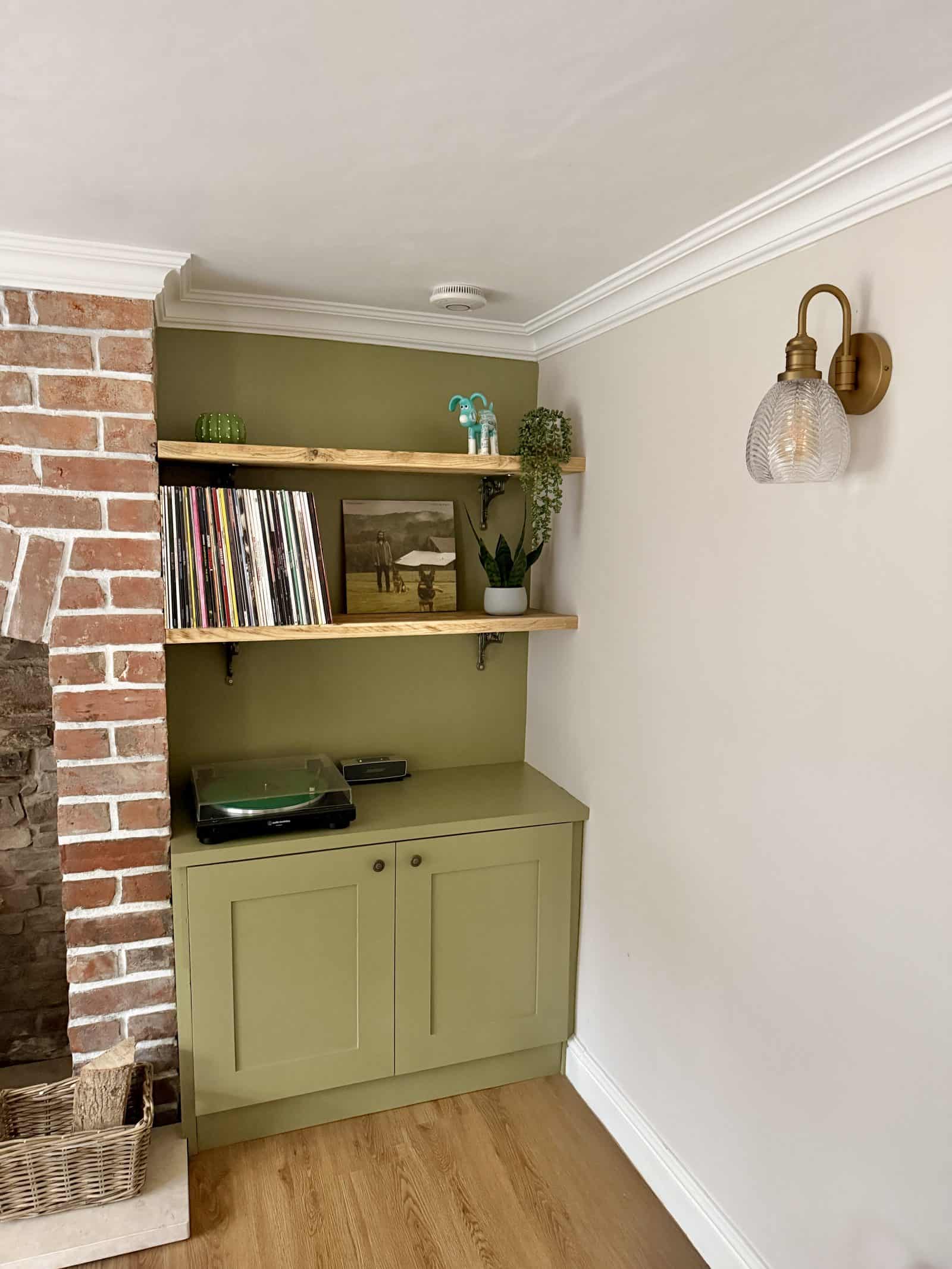
Flooring, kitchens and furniture might take up most of the renovation budget, but smaller features have a surprising amount of visual influence. Door handles, sockets, switches and light fittings are touched or noticed every day. Updating them to complement the wider style of the property can make a room feel much more considered. Lighting deserves particular attention too. A combination of ceiling lights, floor lamps and table lamps can create different moods while making newly decorated spaces feel warmer and less clinical.
Make Practical Features Part of the Design
The things your home needs to function don’t always have to disappear quietly into the background. Heating is a good example. Stylish radiators can become part of the finished look of a room, with modern designs available in different shapes, finishes and colours to complement anything from contemporary to traditional interiors. The same thinking can also apply elsewhere, of course, by choosing switches, handles and practical fittings that fit naturally within the wider design rather than treating them as last-minute necessities.
Add the Personal Touches
Finally, put some of yourself back into the space. Newly renovated rooms can initially feel almost too perfect, particularly when every surface is freshly painted and everything is exactly where the plans said it should be. Family photographs, favourite artworks, books, ceramics and objects collected over the years quickly soften that newness. You don’t need to fill every shelf either. A few meaningful pieces usually create far more character than decorating purely for the sake of filling space. This is also the stage where cushions, curtains, rugs and plants can introduce softer textures and make harder architectural finishes feel more welcoming.
Finishing a renovation isn’t simply about reaching the bottom of a long list. Take time to notice the smaller details, coordinate practical features with the design and gradually bring back the possessions that tell your story. The building work might create the new space, but it’s those final layers that make it feel like somewhere you actually want to live.
Leave a Reply